Thank you for your trust! MBA admissions are now closed. | Admissions for the Academic Year 2025 for undergraduate programmes will close on 31st July 2025.

dbcb

Specialisation

BSc (Hons) Clinical Psychology

The Cognitive Psychology specialisation focuses on mental processes such as perception, attention, memory, language, and decision making. Students learn how people acquire, process, and use information, and how these processes influence everyday behaviour. The curriculum introduces experimental methods and basic cognitive assessment techniques, preparing students for further study and entry-level roles in research, education, and applied psychology settings.

The Industrial Behaviour specialisation explores how individuals and groups behave in workplace and organisational contexts. Students examine topics such as motivation, job satisfaction, leadership, teamwork, and organisational culture, with an emphasis on employee well-being and performance. Through case studies and practical exposure, learners develop foundational skills relevant to careers in human resources, training, and workplace mental health support.

The Clinical Psychology specialisation introduces students to the foundations of mental health, psychological disorders, and basic principles of assessment and intervention. Learners gain an understanding of common mental health conditions, their causes, and evidence-based approaches used by clinical practitioners. This specialisation builds a strong base for higher studies in clinical psychology and related fields, and nurtures sensitivity towards mental health issues in diverse communities.

The Counselling Psychology specialisation focuses on helping skills, emotional support, and guidance across various life challenges. Students develop core competencies in active listening, empathy, basic counselling techniques, and ethical awareness in supportive roles. Exposure to school, community, and organisational contexts prepares learners for further training in professional counselling and for roles that involve providing psychological support and guidance.

The Health Psychology specialisation examines how psychological factors influence physical health, illness, and health-related behaviour. Students explore topics such as stress, coping, lifestyle behaviours, adherence to medical advice, and health promotion. The curriculum encourages an understanding of how to support behaviour change and well-being, laying the groundwork for future roles in health promotion, community health, and applied health psychology.

The Social Psychology specialisation investigates how individuals think, feel, and behave in social situations and group contexts. Students study attitudes, stereotypes, social influence, group dynamics, and interpersonal relationships, with applications to contemporary social issues. This specialisation builds analytical and critical thinking skills that are valuable in fields such as marketing, communication, social research, and community work.

The Forensic Psychology specialisation introduces the interface between psychology and the legal and criminal justice systems. Students gain foundational insights into criminal behaviour, victimology, and the roles psychologists may play in investigative and corrective settings. The curriculum familiarises learners with topics such as eyewitness memory, risk assessment, and ethical issues in forensic contexts, supporting pathways towards advanced study and careers related to law enforcement, correctional services, and legal support environments.
BSc (Hons) Psychology

What Makes IILM University Stand Out for BSc (Hons) Psychology ?

The psychology programmes at IILM University are designed to blend academic rigor with practical exposure, preparing students to make meaningful contributions in psychology-related fields.

Comprehensive Learning

Balanced theoretical and practical education, integrating research, field visits, and internships.

Interdisciplinary Approach

Minors across disciplines offer broad perspectives and career flexibility.

Experiential Learning

Workshops, visits to rehabilitation centres, and industry collaborations enrich practical knowledge.

Department Facilities

01

Psychology Laboratory
The lab enables students to observe and conduct demonstrations related to cognitive processes, behavioural responses, and psychological experiments. Through these activities, students develop an applied understanding of psychological concepts and research methods.

02

Psychological Testing & Assessment Facility
The department provides access to a Psychological Testing Facility equipped with standardized psychological and diagnostic assessment tools used in clinical, counselling, and research settings. Students receive guided exposure to intelligence and aptitude tests, personality assessment tools, behavioural rating scales and screening instruments.

03

iBloom - Holistic Wellbeing Centre
An initiative dedicated to supporting the psychological wellbeing of the university community. The centre provides a safe and confidential space where students can seek psychological support and counselling. Through structured therapy sessions, the centre addresses concerns related to stress, emotional wellbeing, academic adjustment, and personal development. The presence of iBloom also offers psychology students valuable insight into how mental health support services operate within an institutional setting.

Why Choose IILM University , Gurugram ?

delivered-(1)-full

01

Over 30 years of Academic Excellence

Delivering quality education with a legacy of three decades.

internet-full

02

Global Network of over 16,000 Alumni

A strong, supportive alumni community spread across the globe.

business-full

03

International Collaborations

Partnering with renowned global institutions for a holistic education experience.

online-interview-full

04

Job Opportunities with over 400 Companies

Connecting students with leading employers for rewarding careers.

location-full

05

Centrally Located Green Campuses

Eco-friendly campuses situated in prime, accessible locations.

scholarship-full

06

Merit-based Scholarships

Recognising and rewarding academic excellence with financial support.

pennant-full

07

Renowned Faculty from Academia and Industry

Learn from experts with rich academic and industry experience.

university-full

08

Vibrant Campus Life

Experience an engaging and dynamic environment both inside and outside the classroom.

university-full

09

Internationally Benchmarked Curriculum

A curriculum designed to meet global standards of education and practice.
Global Collaborations, Visiting Scholars & Academic Partnerships

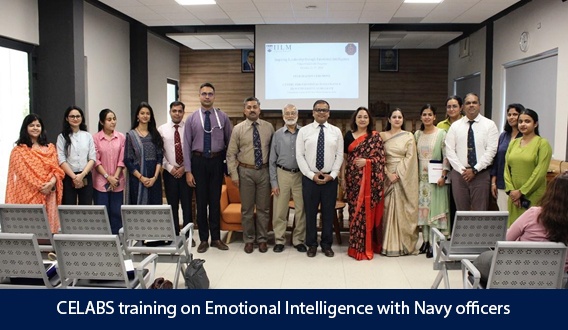
The Department of Psychology collaborates with organisations working in mental health, healthcare, and community development to create learning opportunities for students.

Through these collaborations, students gain exposure to:

- Mental health practice
Behavioural research
Community wellbeing initiatives
Rehabilitation and disability support services             

These partnerships help connect academic learning with professional practice.


Know Your Faculty

The IILM Institute of Clinical Psychology at IILM University is supported by faculty members with expertise in diverse areas of psychology including clinical psychology, behavioural science, and neuroscience.

Faculty members actively engage in teaching, research, and applied projects that connect psychological science with real-world issues related to mental health, wellbeing, and human behaviour.

Recent Faculty Work / Achievements / Publications


Faculty members contribute to the advancement of psychological knowledge through research publications, conference presentations, and applied projects
.
Recent contributions include:

  • Research publications in national and international journals
  • Presentations at academic conferences in psychology and behavioural science
  • Faculty-led workshops on mental health awareness and behavioural skills
  • Interdisciplinary research exploring the relationship between psychology, health, and society

Through research-led teaching, students are introduced to emerging ideas and real-world applications of psychology.

Student Research Pathways

The department encourages students to develop research skills early in their academic journey.

Students learn how to:

  • - Design basic psychological research studies
  • - Collect and analyse behavioural data
  • - Participate in faculty-guided research projects
  • - Present research findings through posters and academic presentations

Research exposure helps students develop critical thinking and evidence-based understanding of human behaviour.

Experiential Learning & Field Visits

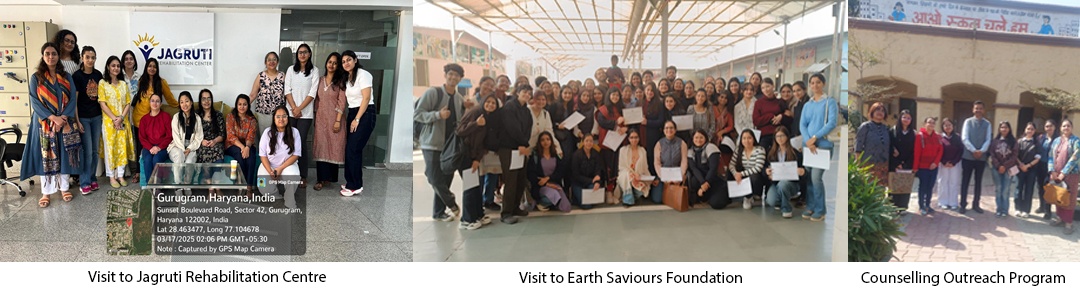
Students regularly participate in field visits, training workshops, and experiential learning activities that provide exposure to real-world psychological practice. These experiences allow students to observe how psychological principles are applied in clinical, community, and organisational settings.
Masterclasses, Visiting Experts & Guest Lectures

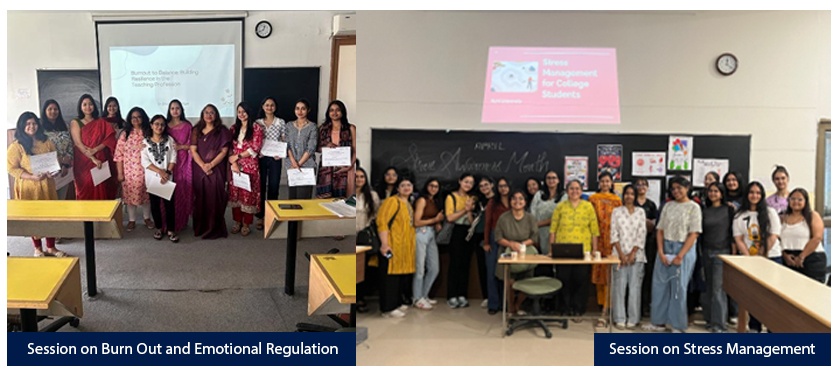
The department regularly hosts guest lectures, masterclasses, and expert sessions by clinical psychologists, psychiatrists, mental health practitioners, and behavioural science professionals.

These sessions expose students to emerging areas such as:

  • - Clinical and counselling psychology
  • - Community mental health
  • - Behavioural Research
  • - Workplace wellbeing and organisational behaviour
  • - Digital wellbeing and behavioural science


Such interactions provide valuable opportunities for professional learning and networking.

Visual Research Showcase

This section can highlight visual documentation of student learning experiences such as:

  • - Psychology lab activities
  • - Students conducting behavioural experiments
  • - Student research posters and presentations
  • - Field visits and internship experiences


Visual storytelling helps demonstrate how psychology learning happens beyond the classroom.
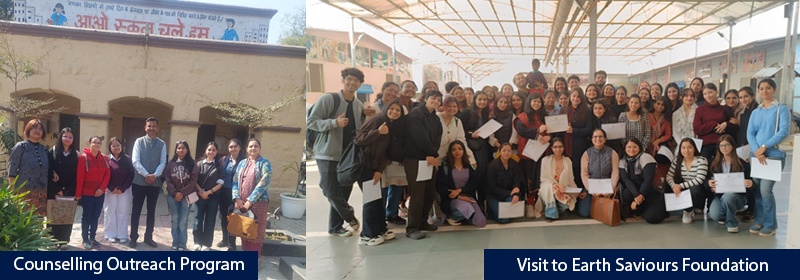
Real-World Impact Stories

Students are encouraged to apply psychological principles in real-world contexts through internships, research projects, and community initiatives.

  • - Mental health awareness campaigns
  • - Community outreach programmes
  • - Behavioural wellbeing initiatives
  • - Child and adolescent development projects


These experiences show how psychology can contribute to individual wellbeing and social change.
Summer Research / Internship Programs

Students are encouraged to participate in summer internships and research opportunities that provide exposure to professional practice.

Possible internship settings include:

- Hospitals and mental health clinics
- Rehabilitation centres
- NGOs and community organisations
- Schools and child development centres
- Special education institutions
These experiences help students develop practical skills and professional confidence.

Programme Outcomes

bba_out1
Build a comprehensive

Build a comprehensive understanding of psychological concepts, principles, and theories.

bba_out1
Develop critical thinking

Develop critical thinking and analytical skills to understand and evaluate human behaviour.

bba_out1
Enhance communication

Enhance communication skills for effective articulation of psychological ideas and findings.

bba_out1
Foster ethical

Foster ethical reasoning and decision-making in psychological practices.

bba_out1
Cultivate the ability

Cultivate the ability to work collaboratively and contribute effectively in multidisciplinary teams.

bba_out1
Apply psychological knowledge

Apply psychological knowledge to address real-world challenges and promote well-being.

bba_out1
Develop an interdisciplinary

Develop an interdisciplinary perspective to enrich psychological understanding and solutions.

bba_out1
Gain self-awareness

Gain self-awareness and enhance interpersonal skills for personal and professional growth.

bba_out1
Acquire research

Acquire research skills to design, execute, and interpret psychological studies effectively.

Programme Educational Objectives

peo (2)
  • Build a strong foundation in core psychological principles and theories.

  • Develop skills to conduct and analyse psychological research effectively.

  • Foster a multidisciplinary approach by integrating knowledge from other fields.

  • Enhance practical skills for applying psychology in real-world contexts.

  • Promote ethical awareness and social responsibility in understanding human behaviour.

 
REGISTER NOW!

SEAL YOUR SPOT FOR SUCCESS

ADMISSION OPEN FOR 2026 INTAKE
 
Students who have completed 12th class with science stream of equivalent will be eligible to apply for this programme. The selection will be based on their performance in the Entrance Test and selection will determined by the basis of marks obtained in entrance test conducted by the respective university/affiliating university/ institution.
  • Artemis Medicare, Gurugram
  • Citizen Hospital and Rehabilitation Centre, Gurugram
  • Rajbala Foundation
  • Public Health Foundation of India (PHFI)


The programme introduces students to a wide range of psychological concepts and applied practices.

Key areas include:

  • Foundations of Psychology
  • Developmental Psychology
  • Cognitive Psychology
  • Social Psychology
  • Abnormal Psychology and Psychopathology
  • Psychological Assessment and Testing
  • Counselling and Helping Skills
  • Behavioural Interventions
  • Community Mental Health
  • Disability Studies and Rehabilitation Psychology
  • Ethics and Professional Practice

Graduates of the programme who obtain registration with the Rehabilitation Council of India (RCI) can work as Clinical Psychology Assistants in supervised mental health and rehabilitation settings.

Possible job roles include:

  • Clinical Psychology Assistant
  • Mental Health Support Worker
  • Rehabilitation Assistant
  • Behavioural Therapy Assistant
  • Counselling Support Professional
  • Community Mental Health Worker

Graduates may work in hospitals, mental health clinics, rehabilitation centres, NGOs, special education institutions, and community mental health programmes.

Students may also pursue higher studies in Clinical Psychology, Counselling Psychology, or related fields for advanced professional practice.

The university library supports psychology students with access to 750+ books, academic journals, and digital research tools. Students can utilize e-resources such as JSTOR, Prowess IQ, Language Guru, SPSS, and NVivo, along with databases including ShodhGanga, DELNET, ICSSR, and Library OPAC for research and academic work.

The library provides 75 seating spaces, computer workstations, and anti-plagiarism tools such as Turnitin and DrillBit, supporting ethical and high-quality research.

IILM University offers a range of minors across various disciplines, enabling students to tailor their BA/BSc programmes to align with their career goals and interests. These minors provide interdisciplinary exposure to fields such as society, business, and technology, fostering a well-rounded understanding of diverse domains.

By choosing minors, students gain enhanced career flexibility and develop a broad skill set that complements their primary specialisation. This approach helps students cultivate a comprehensive perspective on real-world challenges, encourages innovative thinking, and equips them to become adaptable, resourceful, and future-ready leaders in their chosen fields.

Minor Options

Minor in Management:

  • Principles of Management: Understanding key functions including planning, organising, leading, and controlling, with practical applications for managing people, processes, and resources.

Minors in Liberal Studies:

  • Digital Media: Explore principles, tools, and techniques for creating, managing, and distributing digital content across multiple platforms.
  • The Making of the Constitution: Study the historical, political, and philosophical foundations behind the development of a nation's constitution.
  • Political Theory: Understand fundamental ideas, concepts, and debates shaping political thought and practice.
  • Understanding Self and Others: Examine personal identity, interpersonal relationships, and social dynamics.

Minor in Design:

  • Design Basics: Explore the fundamental principles of design across various contexts.

The B.Sc. Clinical Psychology (RCI) programme emphasizes experiential learning to help students develop practical competencies required in the mental health field. Along with classroom learning, students receive structured exposure to real-world clinical and rehabilitation settings.

Training components include:

  • Supervised fieldwork and internships
  • Exposure to clinical case discussions
  • Training in psychological assessment tools
  • Observation of behavioural and therapeutic interventions
  • Community outreach and mental health awareness programs
  • Workshops on counselling skills and therapeutic communication

Through these experiences, students learn to apply psychological concepts in practical settings while developing professional ethics, empathy, and clinical observation skills.
FAQs

Frequently Asked Questions

Students who have completed 10+2 with Science stream or equivalent from a recognised board are eligible to apply.

The programme is a four-year undergraduate degree.

Yes. Students receive field exposure, internships, and training in psychological assessment and behavioural skills.

Graduates can work as Clinical Psychology Assistants or mental health support professionals in supervised settings such as hospitals, rehabilitation centres, NGOs, and community programmes.

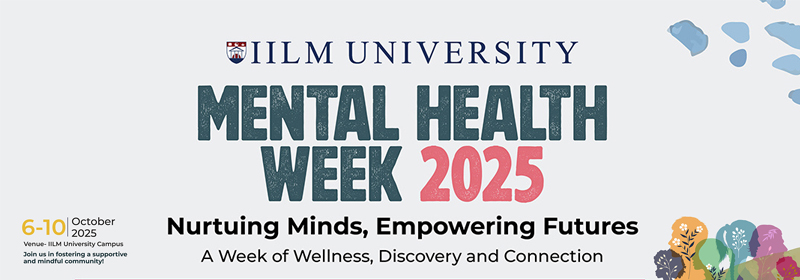
  • ● Mental Health Awareness Campaigns
  • ● Psychology Workshops and Training Sessions
  • ● Guest Lectures by Mental Health Experts
  • ● Student Research Presentations
events_bg